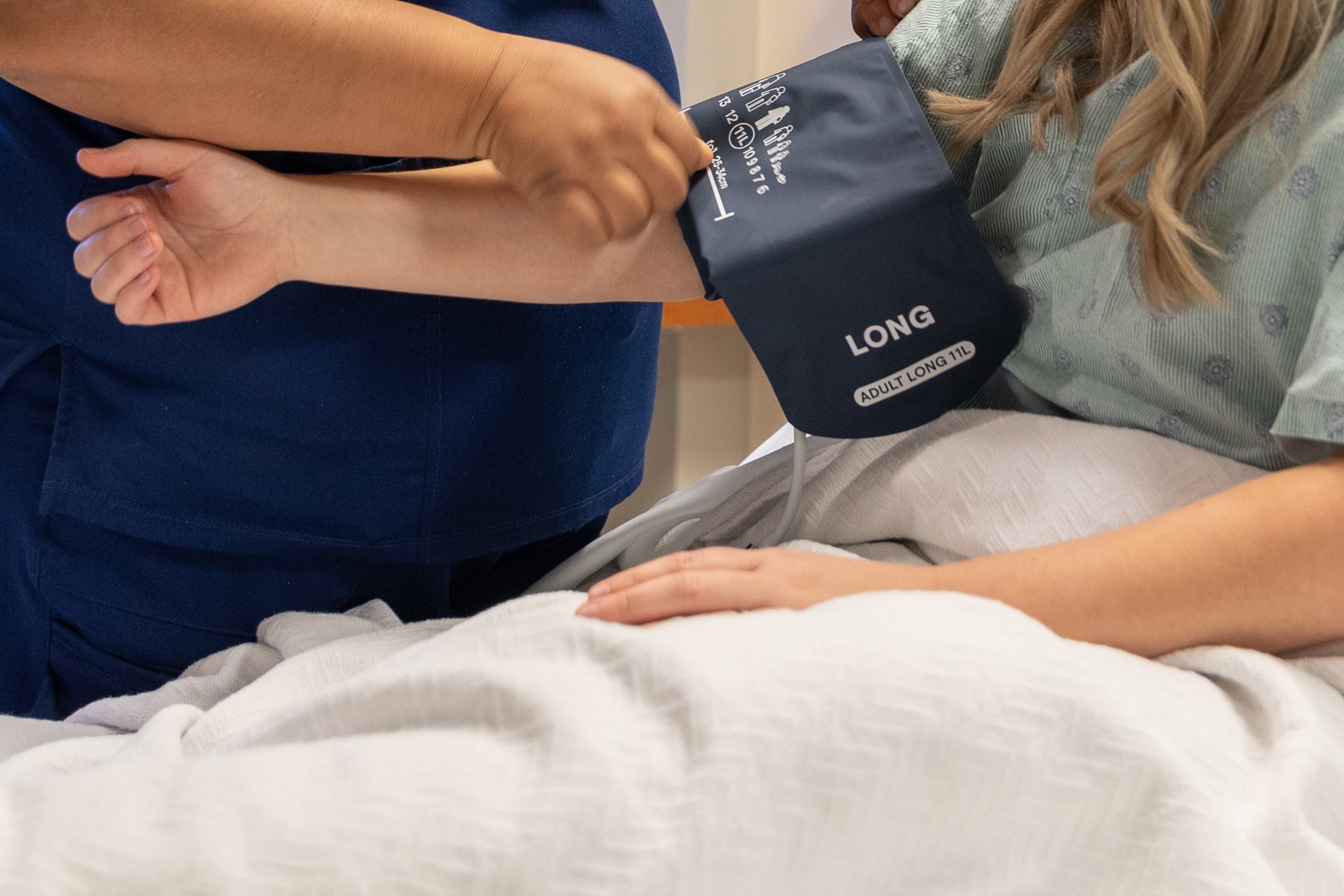
High blood pressure is called a “silent condition” because it usually causes no symptoms, even when your numbers are high. It’s also one of the most common long-term health conditions in the United States. According to the Centers for Disease Control and Prevention (CDC), nearly half of American adults have it, and many don’t know it. Most people with high blood pressure feel completely fine. They go to work, run errands and spend time with family without a single warning sign. Meanwhile, the extra pressure can quietly damage the heart, brain, kidneys and eyes. That’s why regular checkups matter.
This guide explains why it’s so easy to miss, what your numbers mean and simple steps to protect your health.
What Does “Silent Condition” Mean?
Blood pressure is the force of blood pushing against the walls of your arteries as your heart pumps. When that force stays elevated over time, it’s called hypertension. Unlike a cold or the flu, you usually can’t feel high blood pressure, even at very high levels.
That’s why it’s called a silent condition. While you feel normal, the extra pressure can slowly strain your blood vessels and organs like your heart, kidneys and eyes. Some people believe headaches, dizziness and a flushed face are signs of high blood pressure. Those symptoms can happen, but they aren’t reliable signs. They may have other causes, and many people with high readings never experience them. The only way to know if you have hypertension is to check your blood pressure.
How Is High Blood Pressure Measured?
A blood pressure reading has two numbers, such as 120/80. The top number, called systolic pressure, measures the force in your arteries when your heart beats. The bottom number, called diastolic pressure, measures the force when your heart rests between beats. Here’s what the numbers mean for adults, based on the American Heart Association’s 2025 guidelines:
- Normal: Less than 120 on top and less than 80 on the bottom
- Elevated: 120 to 129 on top and less than 80 on the bottom
- Stage 1 hypertension: 130 to 139 on top or 80 to 89 on the bottom
- Stage 2 hypertension: 140 or higher on top or 90 or higher on the bottom
- Severe hypertension (sometimes called a hypertensive crisis): Higher than 180 on top or higher than 120 on the bottom. If you have chest pain, shortness of breath, back pain, numbness, weakness, vision changes or trouble speaking, call 911.
One high reading doesn’t always mean you have hypertension. Your provider will usually check your blood pressure during several visits before making a diagnosis.
Can You Have High Blood Pressure Without Symptoms?
Yes, and most people with high blood pressure have no symptoms at all. That’s because your body is good at adapting. When blood pressure stays high, your heart and blood vessels adjust to handle the extra force. Over time, artery walls can stiffen and narrow, and your heart muscle may thicken from working harder. None of those changes cause pain, so there’s often nothing to tip you off. Without regular checks, you may not catch high blood pressure until it causes a bigger problem, like heart disease or stroke.
What Causes High Blood Pressure and Who Is at Risk?
High blood pressure usually develops over time from a mix of factors. Some you can change, like diet and activity, and some you can’t, like age and family history.
Common risk factors include:
- Age: Blood vessels naturally stiffen with age, so your risk goes up over time.
- Family history: If a parent or sibling has high blood pressure, you’re more likely to develop it, too.
- Weight: Carrying extra weight makes your heart work harder to move blood through your body.
- Diet: Eating a lot of salt and processed foods can raise your blood pressure.
- Inactivity: Not getting enough exercise can lead to weight gain and a weaker heart.
- Alcohol and tobacco: Heavy drinking and tobacco use both raise blood pressure.
- Stress: Ongoing stress can lead to poor sleep and unhealthy habits that affect your heart.
- Other health conditions: Diabetes, kidney disease and sleep apnea are all linked to high blood pressure.
Hypertension is more common in older adults, but it can affect people in their 20s and 30s, too. Feeling good is a great sign, but it doesn’t rule out high blood pressure.
What Happens if High Blood Pressure Goes Untreated?
Left untreated, high blood pressure raises your risk of serious health problems, including heart attack, stroke, heart failure, kidney disease, vision loss and memory problems. It also tends to show up alongside other conditions, like diabetes and high cholesterol. Together, they put more strain on your heart and blood vessels.
Over time, that strain can affect your whole body. Damaged arteries can narrow or get blocked, cutting off blood flow to your heart or brain. After years of pumping against high pressure, your heart muscle can thicken and weaken. The tiny blood vessels in your kidneys and eyes can also be damaged, which can lead to kidney disease and vision loss. Narrowed arteries in the legs can cause pain or cramping when you walk.
The good news is that high blood pressure is easy to check and treat. If your numbers are higher than expected, try not to worry. Talk with your provider about lifestyle changes, home monitoring and medication.
Practical Steps to Manage Your Blood Pressure
Small, consistent changes can make a big difference. Here are a few places to start:
- Eat a heart-healthy diet: Fill your plate with fruits, vegetables, whole grains and lean proteins. Cut back on salt by limiting processed foods, canned soups and fast food.
- Get moving: Aim for at least 150 minutes of moderate activity each week, like brisk walking or biking.
- Manage stress: Try deep breathing, stretching or quiet time outdoors. Getting seven to nine hours of sleep each night also helps your body recover.
- Limit alcohol: Drinking less can lower your blood pressure. If you drink, ask your provider how much is right for you.
- Quit tobacco: Nicotine spikes your blood pressure, and smoking harms your arteries over time. Your provider can connect you with resources to help you quit.
- Use an at-home monitor: Checking at home helps you spot changes early. Choose a monitor with a cuff that wraps around your upper arm, sit quietly for five minutes before measuring and keep a log of your readings to bring to appointments.
- Follow your treatment plan: If your provider prescribes medicine, take it every day as directed, even when you feel fine.
Don’t Wait to Seek Medical Help for High Blood Pressure
Even when you feel your best, it’s worth knowing your numbers. A quick blood pressure check gives peace of mind. Make it part of your routine care, like your yearly physical or dental cleaning.
At Fisher-Titus, our primary care providers can take your readings, review your risk factors and help you build a plan that fits your life. If you need more specialized care, our Heart & Vascular Care team offers advanced testing, treatment and ongoing support close to home. Schedule an appointment today to take the first step toward a healthier heart.
Frequently Asked Questions About High Blood Pressure
How often should I check my blood pressure?
Most adults 40 and older should have their blood pressure checked at least once a year. The same goes for younger adults with risk factors like a family history or extra weight. Healthy adults ages 18 to 39 with normal readings can usually get checked every three to five years, according to the U.S. Preventive Services Task Force. Your provider may suggest more frequent checks if your numbers are high.
What are the signs of high blood pressure?
Most of the time, there are no signs. Very high blood pressure can sometimes cause a severe headache, chest pain, shortness of breath or vision changes. If you have these symptoms with a high reading, call 911.
Can high blood pressure go away?
High blood pressure can be controlled, and for some people, healthy habits are enough to bring numbers back to normal. You may also need medication to stay on track. Even when your readings improve, keep up with regular checks and follow your provider’s advice.
Are smartwatch blood pressure readings accurate?
Not yet. The American Heart Association’s 2025 guidelines advise against relying on cuffless devices like smartwatches until they prove more reliable. For the most accurate results at home, use a monitor with a cuff that wraps around your upper arm. Look for one that has been tested and approved for accuracy. Bring it to your next appointment so your care team can make sure it reads correctly.