Tag: Featured Post

A tag to determine if a post is featured.

  • The Importance of a Primary Care Provider

    The Importance of a Primary Care Provider

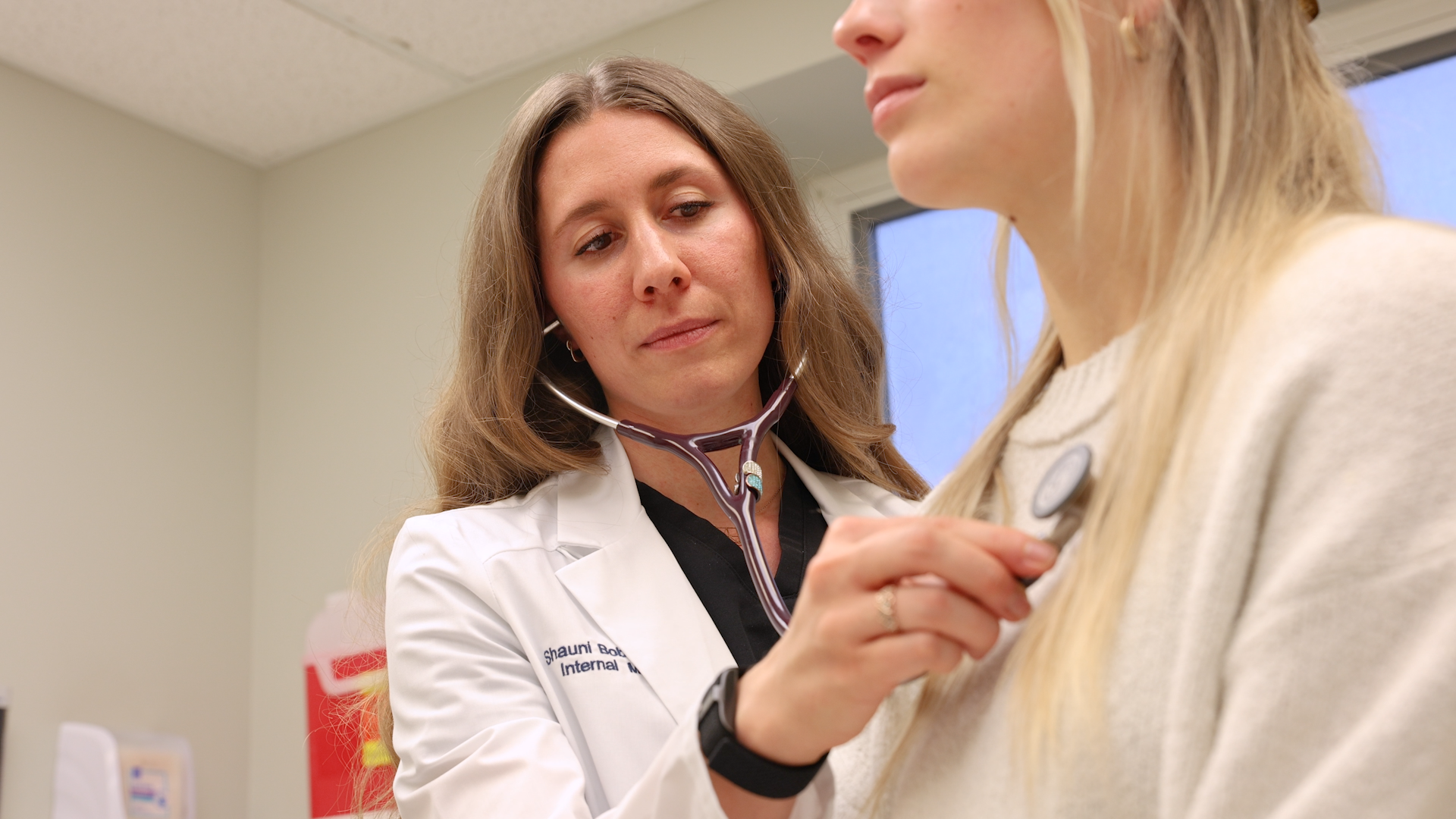
    Your Primary Care Provider plays a vital role in the care of your health throughout your lifetime. Learn more about the importance of a primary care provider.

    What is a Primary Care Provider

    Your primary care provider is a doctor, nurse practitioner, or physician’s assistant who manages your overall health over time. Your PCP is someone you can develop a trusted relationship with. They get to know you, your history, and your family history and they have the best picture of your overall health.

    Primary care providers may work in family medicine, internal medicine, obstetrics and gynecology, or pediatrics.

    Here are some examples of things to see your primary care provider for:

    • Regular health screening or wellness visits
    • Management of chronic conditions
    • Something is causing you concern or advice for a health problem
    • Fever, cough, sore throat, cold earaches or rashes
    • Unexplained weight changes
    • Lingering pain
    • Prescription refills
    • Minor injuries such as sprains, back pain, minor cuts and burns, minor broken bones, or minor eye injuries
    • Bladder or urinary tract infections
    • Vaccinations
    • Migraine headaches

    Benefits of a Primary Care Provider

    There are many benefits of having a primary care provider, including:

    • Understanding your history. Your primary care provider has access to all of your medical records as well as your family history. This helps them see the full picture when it comes to your health rather than the snapshot other providers may get from a single visit at an urgent care or emergency room.
    • Building a relationship. You get to know your primary care provider throughout your life and come to build a relationship with them. Because you become more comfortable with each other, they are able to better understand your medical situation, and you may feel more comfortable bringing issues to them and asking questions you may have.
    • Prevention and early detection. Your primary care provider can recommend regular tests and screenings based on your personal and family history. These regular checkups, tests, and screenings with the same provider make it more likely that any potential health issues will be caught early when they are most treatable.
    • Condition Management. If you do happen to encounter a more complex health issue, they are crucial in coordinating care. They can refer you to necessary specialists, review all tests, prescriptions, and make sure everyone on your care team is working together. When multiple specialists are working together or you have multiple health challenges, your primary care provider is the link between them all.

    Primary Care vs. Convenient Care vs. Emergency Care

    There are many circumstances where you may require medical attention but are unable to see your primary care provider. This could be because it is outside of regular office hours or there are no available appointments and you need to care soon. This is where Convenient Care and the Emergency Department come in.

    At convenient care, patients can walk in and receive services on a first-come, first-serve basis for minor illness and injury. Typically, the insurance co-pay is the same as a regular office visit. The convenient care provider will follow up with your primary care provider to let him/her know you were seen.

    The ER is open 24/7 for any situation where you need immediate medical attention. The Emergency Room provides care for serious, and/or potentially life-threatening medical situations. If you are considering going, you probably should. If it’s a serious emergency, don’t hesitate to call 9-1-1.

    When you arrive at the ER, you will be triaged and receive care based on the severity of the situation. You may have to wait a bit longer if there are other patients there with more serious conditions. The ER is also usually costlier than primary care and Convenient Care so it should be reserved for emergency situations where you cannot wait for care.

    Convenient Care and the ER are not replacements for Primary Care. After you visit Convenient Care or the Emergency Room, you should still follow up with your Primary Care to talk about your visit and determine if any follow up with them is necessary.

    If you don’t currently have a primary care provider, it’s never too late to find one. Fisher-Titus has providers accepting new patients several locations. To find a provider, visit www.fishertitus.org/find-a-physician.

    About Dr. Canfield

    Dr. Christina Canfield is a physician with Fisher-Titus Family Medicine in Wakeman and is the Chief Medical Officer of Fisher-Titus Medical Care. She has been practicing in the area since 1994. Fisher-Titus has six Family Medicine locations in Bellevue, New London, Norwalk, Milan, Wakeman, and Willard. For more information, visit fishertitus.org/locations.

  • How to Manage Seasonal Affective Disorder

    Seasonal Affective Disorder is a clinical depression where problematic symptoms occur for longer than two weeks during a season change reoccurring for two years in a row. According to the National Institute of Mental Health, over 10 million Americans are affected yearly. Seasonal Affective Disorder (SAD) is different from the “winter blues” which can be described as a minor period of time where one has less energy, wants to sleep more, and can feel more down than usual.

    Have you noticed your mood being impacted by the weather, especially in the Fall and Winter months? Do you notice others around you saying, “Get over it because you should be used to this Ohio weather?” It may actually not be so easy to “get over it” as it  you could be suffering from a medical condition called Seasonal Affective Disorder or commonly known as SAD.

    Seasonal Affective Disorder Symptoms

    Symptoms of SAD can include being less physically active and engaging in social isolation. When the weather gets colder out and it’s dark outside when people wake up and get off of school or work, it impacts their mindset. People can even demonstrate a weight gain due to finding comfort in foods and not getting out of the house as often as they would in the Spring and Summer months. Some even suffer from physical aches and pains due to the cold weather and “heaviness” of depression. Many people complain of fatigue even though they are sleeping more either by taking more naps or sleeping longer periods of time at night. SAD can cause feelings of hopelessness, guilt, indecisiveness, and criticism towards themselves and others.

    The exact reason why Seasonal Affect Disorder impacts some people and not others is not known. However, it is believed that those who have family history of depressive disorders are more likely to be effected by SAD. It is also thought that chemicals in the brain are a huge influencer as the darker days can lead to more melatonin being produced causing fatigue. Additionally, the lack of sunlight causes dysregulation in serotonin levels as well as vitamin D, according to National Institute of Mental Health. Due to these chemical contributors, treatment for SAD can range from supplements or medication to therapy.

    How to Fight Seasonal Affective Disorder

    There are many things you can do to combat these feelings including becoming more physically and socially active, eating vitamin D enriched foods and taking supplements, or a referral to a mental health specialist for talk therapy and medication management. Light therapy can also be a benefit for many individuals. Being outside for at least 30 minutes can help boost your morale and serotonin levels. If you cannot go outside, then be mindful of where you sit, choosing to sit near windows where you can enjoy the sunlight. You can also invest in a light lamp you can sit under for 30 to 60 minutes a day in intervals. The bright artificial light mimics outdoor light for a period of time to regulate your brain and mood. This technique is so common that even some libraries in bigger cities allow their patrons to check out light lamps along with their books.

    If you are concerned that you or a loved one is affected by SAD then you should speak to your doctor to find the best option for you. And keep in mind, Spring is right around the corner!

  • RSV in Children and How to Stay Healthy

    RSV is a common respiratory virus that infects the lungs and breathing passages, usually causing flu or cold-like symptoms. Although most otherwise healthy people recover from RSV infection in one to two weeks, it can lead to serious health problems for young children and older adults.

    You’ve probably started seeing a lot on social media or the news about RSV (respiratory syncytial virus). In fact, RSV in children is the most common cause of bronchiolitis and pneumonia for ages under 1 year. About 57,000 children are hospitalized every year due to RSV, according to the CDC (Centers for Disease Control).

    How Do Children Get RSV?

    RSV in children is highly contagious and spreads when an infected person coughs or sneezes, sending respiratory droplets into the air. These droplets contain RSV and can end up in other people’s mouths or noses, causing an infection. The droplets also can land on objects that people touch, such as toys or counter tops. People can get infected by touching these objects and then touching their mouths or noses. Children often pass the virus to one another at their school or daycare center.

    What Are The Symptoms?

    Symptoms of RSV infection are similar to other respiratory infections: cough, sneezing, runny nose, fever and decreased appetite. Wheezing also may occur. In very young infants, however, irritability, decreased activity and breathing difficulties may be the only symptoms of infection.

    Most otherwise healthy infants infected with RSV do not need to be hospitalized and will recover in one to two weeks. Even among those who need to be hospitalized, hospitalization usually lasts just a few days, and recovery from illness usually occurs in about one to two weeks.

    RSV Prevention

    While there is no vaccine to prevent RSV, there are simple ways you can protect your child or yourself from getting this highly contagious virus.

    Top Tips for RSV Prevention

    • Wash hands often with soap and water for 15 to 20 seconds.
    • Cover the mouth and nose when coughing or sneezing.
    • Limit contact with those who have cold-like symptoms.
    • Avoid sharing cups and eating utensils with others.

    Seeking Medical Attention

    If a child is otherwise healthy, there is really no need to obtain a formal RSV diagnosis. The condition will generally run its course without specific medical treatment. Because it is a virus, antibiotics are not used to treat RSV.

    If your child is at higher risk as a premature infant or because of other medical conditions, then a doctor can diagnose RSV by taking a swab of nasal fluids. For high-risk children, a medication called palivizumab can help prevent serious complications of an RSV infection. Ask your primary care physician or pediatrician if your child would be a good candidate for the drug.

    If you think that you or your child might have an RSV infection that requires medical care, schedule an appointment with your primary care physician or pediatrician. Such visits are common for young children. The provider will evaluate the severity of the illness and decide how best to treat it.

    Dr. Glenn J. Trippe is Board Certified by the American Board of Pediatrics and has been a practicing pediatrician since 1979. He is a Fellow of American Academy of Pediatrics. Fisher-Titus Pediatrics has offices in Norwalk (419-668-9409) on the Fisher-Titus Campus and in Bellevue at 1400 W. Main St. (419-483-4122). They are now accepting new patients with same-day and next-day appointments.

  • What is a Mammogram?

    Mammography is imaging of the breast tissue designed to detect tumors and other abnormalities. There are two purposes for a woman getting a mammogram: screening or diagnostic.

    If you are a woman over age 40 you are probably very familiar with the word “mammogram.” But, if you’re not, you may have heard the word without knowing what it’s all about. Either way, mammograms are important for everyone, especially women, to understand.

    Screening and Diagnostic Mammograms

    A screening mammogram is used in the early detection of breast abnormalities in women that have no symptoms. The goal is to detect breast cancer before there are any noticeable signs. When detected early, breast cancer is 99-100 percent curable within 5 years of diagnosis.

    You will usually receive results within a few weeks. If your screening mammogram comes back normal, you will continue to get regular mammograms. This will allow your doctor to compare them as time goes on and look for subtle changes in your breast tissue.

    If your mammogram is “abnormal” that does not necessarily mean you have cancer. Your doctor will likely recommend additional mammograms, tests, and exams to help determine what may be going on. They may also refer you to a specialist or surgeon, not because you have cancer or need surgery, but because they are experts in diagnosing breast problems.

    The other purpose of a mammogram is to diagnose a breast change such as a new breast lump, breast pain, and unusual skin appearance, nipple thickening, or nipple discharge.

    Who Should Get a Mammogram?

    While guidelines for starting regular mammograms vary, most experts agree that women with average risk can choose to be screened starting at age 40. Many women begin them at age 40 and continue having them every year or every two years.

    Women with a higher risk of breast cancer may benefit from starting screening mammograms before age 40. Risk factors such as family history of breast cancer or precancerous breast lesions may indicate a benefit to getting screening mammograms earlier. If you have an increased risk for breast cancer, your doctor may recommend breast MRIs in addition to screening mammograms.

    Have a conversation with your doctor about your own risk factors, your preference, and the benefits and risks of screening. Together you can decide the screening mammography schedule that is best for you. You should also check with your insurance provider to determine your coverage for screening mammograms.

    What to Expect During a Mammogram

    When you arrive for your regular screening mammogram, you will be asked to remove your shirt and put on a gown that opens at the front. You will stand in front of a special X-ray machine and the technologist will place your breast on the plate.

    Another plate will move down from above and flatten the breast, holding it still while the image is taken. You will feel some pressure in the breast and it may be uncomfortable for a few seconds. These steps will be repeated to take a side image and images of the opposite breast.

    After all four images have been taken, you will wait while the technologist checks them to make sure they don’t need to be re-taken. Remember, the technologist cannot tell you your results so they will be sent to your doctor who will review them and call you.

    It can be scary to think about breast cancer, but a regular screening mammogram can be your best defense, and learning more about mammograms can help ease your fears.

    For more information, visit FisherTitus.org/BreastHealth.