Fatty liver disease affects roughly one in three adults in the United States, making it the most common chronic liver condition in the Western world. Yet most people who have it are completely unaware. The condition develops silently, without pain or obvious warning signs, and a diagnosis often occurs by accident, when a routine blood test or scan flags something unexpected. When caught early, it can be reversed. Left unaddressed, it can progress into life-threatening liver damage. Understanding the disease, who’s at risk and what can be done about it can help you protect your health.
What is Fatty Liver Disease?
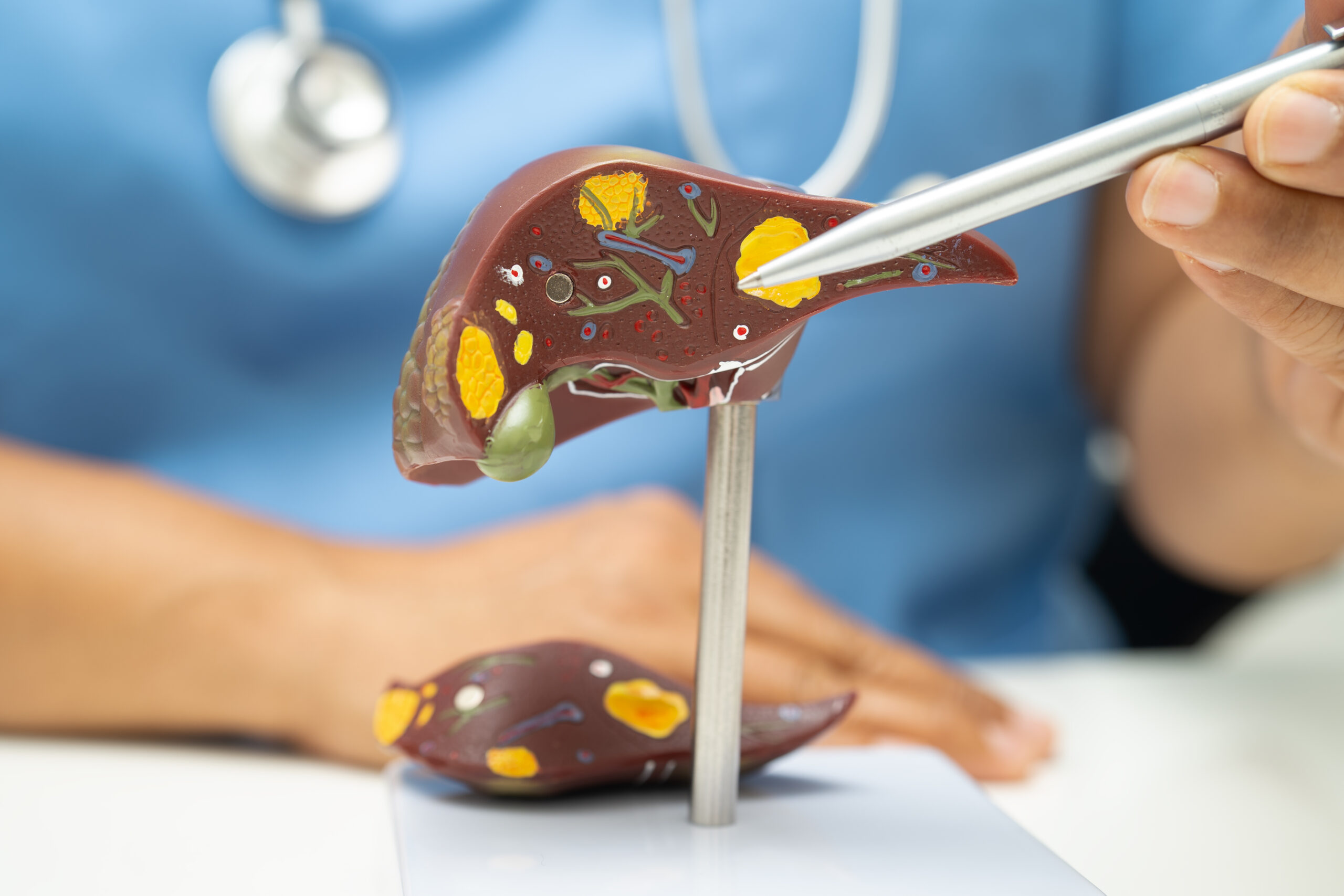
The liver filters blood, metabolizes nutrients, stores energy and neutralizes toxins. A small amount of fat in the liver is normal, but when accumulation exceeds roughly five percent of the liver’s weight, it begins to impair function. In most cases, excess fat in the liver isn’t caused by alcohol consumption but the way the body processes food and manages energy, particularly in people with metabolic syndrome.
“Fatty liver disease is how metabolic syndrome shows up in the liver. When the body can no longer manage blood sugar and fat the way it should, the liver takes the hit,” said Dr. Muhammad Talal Sarmini, MD, gastroenterologist and hepatologist at Fisher-Titus.
Types of Fatty Liver Disease
There are two primary types:
- Non-Alcoholic Fatty Liver Disease (NAFLD / MASLD): This is the most common form, occurring independently of alcohol use. It’s closely associated with obesity, Type 2 diabetes, high cholesterol and other components of metabolic syndrome. The updated medical term is MASLD, which stands for metabolic dysfunction-associated steatotic liver disease.
- Alcoholic Fatty Liver Disease (ALD): This condition is caused by excessive alcohol consumption, which disrupts the liver’s ability to break down fats. Liver damage can accelerate significantly when metabolic risk factors and heavy alcohol use are present.
Both types can progress through four stages:
- Simple steatosis: Fat is present in the liver cells, but inflammation and cellular damage are minimal. This stage may be reversible with lifestyle changes.
- Steatohepatitis (MASH/NASH): The liver becomes inflamed and its cells begin to sustain damage. This stage carries a higher risk of progression.
- Fibrosis: As the liver attempts to repair itself, scar tissue begins to form and accumulate.
- Cirrhosis: Extensive, irreversible scarring has replaced healthy liver tissue. This is the most advanced and serious stage, and can lead to liver failure, liver cancer or a transplant.
What Are the Symptoms of Fatty Liver Disease?
Fatty liver disease is frequently described as a “silent condition,” and for good reason.
“Routine bloodwork and standard imaging often won’t show us how much damage has already occurred,” Dr. Sarmini explained. “Unless a patient has reached cirrhosis, the liver can look relatively normal on a scan while the disease is quietly progressing.”
That diagnostic gap means patients remain unaware of the condition until it has advanced to a more serious stage.
When symptoms do emerge, they tend to appear in later stages of fatty liver disease and may include:
- Persistent fatigue or unexplained weakness
- Dull aching or discomfort in the upper right abdomen
- Abdominal swelling or fluid retention in the legs
- Jaundice, a yellowing of the skin or the whites of the eyes
- Cognitive difficulties, such as confusion or difficulty concentrating
- Tendency to bruise or bleed more easily
Causes of Fatty Liver Disease
Fatty liver disease rarely has a single cause. In most cases, it develops from multiple overlapping risk factors, such as:
- Excess sugar consumption: Diets high in added sugars, particularly from sweetened beverages, refined carbohydrates, and processed snacks, overwhelm the liver’s capacity to metabolize fructose. The surplus is converted into fat and deposited in liver cells.
- Alcohol use: Excessive alcohol consumption disrupts normal fat metabolism in the liver and causes cellular damage. Even alongside non-alcoholic fatty liver disease, alcohol can accelerate progression.
- Obesity: Excess body weight, particularly visceral fat stored around the abdomen, is one of the strongest predictors of fatty liver disease. It increases the volume of fatty acids circulating in the blood and delivered to the liver.
- Insulin resistance and Type 2 diabetes: When cells lose sensitivity to insulin, blood glucose remains elevated. The liver responds by converting excess glucose into fat, resulting in accumulation.
- Genetics: Certain genetic variants influence how the body regulates fat storage and liver function. A family history of fatty liver disease or cirrhosis can increase your risk.
- Metabolic dysfunction: High blood pressure, elevated triglycerides and low HDL cholesterol frequently co-occur with fatty liver disease.
- Sleep apnea: Obstructive sleep apnea causes repeated drops in blood oxygen during sleep, which can impair metabolic function and promote fat accumulation in the liver.
- Certain medications: Corticosteroids, some cardiovascular medications and certain chemotherapy drugs can cause fat to accumulate in the liver.
- Rapid weight loss: Losing weight too quickly through crash dieting or other extreme measures can flood the bloodstream with fatty acids.
Why is Fatty Liver Disease Becoming More Common?
Shifts in diet and lifestyle have increased rates of obesity and Type 2 diabetes. Fatty liver disease is also developing in younger populations more frequently. Dr. Sarmini has observed this shift firsthand.
“Since the 1990s, we have seen a significant increase in fatty liver disease across all age groups, including children. More calories, more sweeteners, less movement — it all accumulates, and the liver reflects that,” he said.
When the disease begins in childhood, it has more time to progress and cause lasting damage, raising the stakes for early intervention.
How Is It Diagnosed?
According to Dr. Sarmini, “If you have Type 2 diabetes, PCOS, obesity or a family history of liver disease, we want to know what’s happening in your liver now, not after damage has already been done.”
Diagnosis begins with liver enzyme blood tests, followed by imaging if your levels are elevated. Because standard imaging cannot measure fibrosis, Fisher-Titus offers FibroScan, a non-invasive test that assesses liver stiffness using ultrasound waves, as well as the ELF blood test for fibrosis risk. A liver biopsy remains the most definitive staging method when additional clarity is needed.
Can You Reverse Fatty Liver Disease?
In the early stages, yes. Weight loss, reduced sugar and refined carbohydrate intake, regular exercise and limiting alcohol can reduce liver fat and inflammation. Research also suggests that regular coffee consumption may have a modest effect on liver health. This organ can self-repair when underlying causes are addressed to produce lasting improvement.
The FDA has recently approved two targeted medications for advanced cases:
- A medication that acts directly on liver receptors to reduce fat and reverse fibrosis
- Semaglutide (Ozempic/Wegovy) is approved for fatty liver disease that’s been diagnosed within the past year.
Dr. Sarmini has seen strong results with the first medication in clinical practice.
“The results we are seeing in our clinic are genuinely exciting. We now have tools that can stop the progression of this disease and, in many cases, reverse the damage.” he said.
Additional therapies are currently in clinical trials, and further advances are expected. Without treatment, fatty liver disease can progress silently to cirrhosis and raise the risk of cardiovascular disease, stroke, hypertension and Type 2 diabetes.
What to Do if You Suspect You Have Fatty Liver Disease
Because fatty liver disease is often asymptomatic until it has reached an advanced stage, acting before the disease makes itself known is essential.
Here are meaningful steps you can take right now:
- Reduce or eliminate sugary beverages, including soda, juice and energy drinks.
- Limit processed and fast foods in favor of minimally refined alternatives.
- Get at least 30 minutes of moderate physical activity several times week.
- Moderate or eliminate alcohol consumption.
- Speak with your doctor if you experience chronic fatigue, snoring or sleep apnea.
Manage Your Wellness with Support from Fisher-Titus
At Fisher-Titus, our gastroenterology and hepatology team offers advanced diagnostic tools and treatment options to help patients understand and protect their liver health.
“The goal is never to catch this disease after it has already caused serious harm,” Dr Sarmini said. “Gastroenterology gives us the ability to get ahead of it, to identify the problem early, monitor it closely and protect patients from complications before they happen.”
Whether you have an incidental finding on a recent scan or simply want to know your risk, our team is here to help. Schedule an appointment with the Fisher-Titus gastroenterology team today.